
Summary
Modern automated systems can only perform as well as the human data and instruction they are provided with during their development phases.
The current global shortage of domain experts who know how to teach machines is creating a significant drag on economic productivity.
Future economic growth depends on transforming our education systems to focus on the skill of structuring knowledge for digital consumption.
The Big Picture
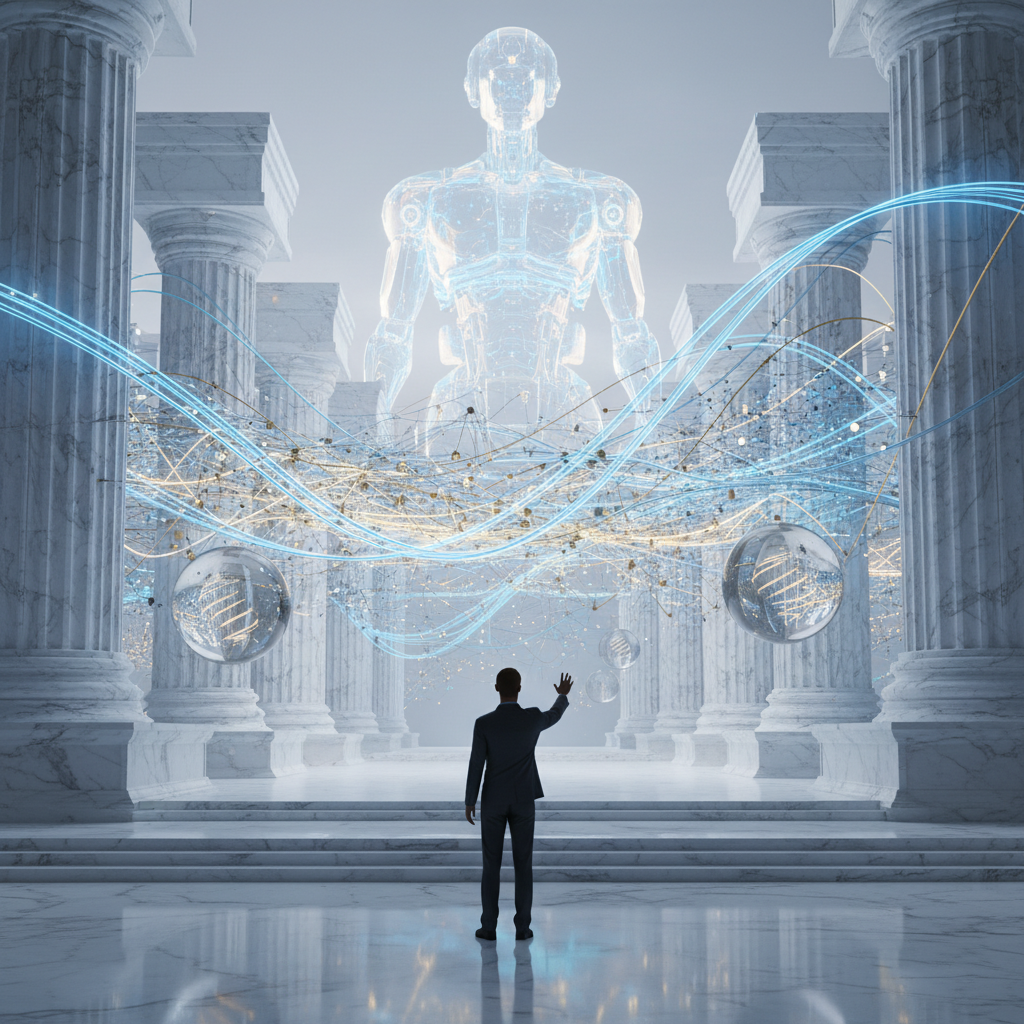
For the last decade, the conversation around technology has been dominated by the physical infrastructure of progress. We talk about the number of transistors on a chip, the amount of electricity required to power massive data centers, and the speed of fiber optic cables. While these physical components are necessary, they are not the true engine of the next economy. The real driver of value is the quality of human thought that is distilled into these systems. We are moving from an era where humans used software as a tool to an era where humans act as instructors for intelligent systems.
This shift changes the fundamental nature of human capital. In the past, a worker might use a spreadsheet to calculate a budget. Today, that same worker is expected to teach a system how to recognize financial patterns and make predictions. If the worker does not understand the underlying logic of finance, or if they cannot communicate that logic clearly to a machine, the system fails. This creates a direct link between the quality of our education systems and the performance of our technological infrastructure. When we improve the way people think and teach, we directly improve the output of our entire digital economy.
This is not just a technical challenge-it is a massive economic opportunity. Countries and companies that realize this early will see huge gains in productivity. Those that continue to treat technology as a magic box that works independently of human input will find themselves falling behind. The global economy is becoming a giant feedback loop where human expertise is the most valuable fuel.
Why Current Approaches Fail
Currently, the way we build and implement advanced technology is flawed because it treats human input as a low-cost commodity. Many organizations rely on massive amounts of poorly organized data collected from the internet or from low-paid workers who do not have deep expertise in the subjects they are labeling. This approach is based on the false idea that quantity can replace quality. We have seen the results of this mistake-systems that make confident but incorrect statements, software that reproduces human biases, and tools that fail when they encounter a situation that was not in their training data.
Another major failure is the gap between technical experts and domain experts. Right now, the people who build the machines and the people who understand the real-world problems-such as doctors, master plumbers, or civil engineers-often speak different languages. There is no clear path for a master craftsman to transfer their decades of experience into a digital format that a machine can learn from. Because we have not built the infrastructure for this knowledge transfer, much of our most valuable human expertise is being left out of the digital revolution.
Finally, our current education and workforce training programs are still stuck in an older model. They focus on teaching people how to perform repetitive tasks that are easily automated, rather than teaching them how to oversee and instruct the systems that perform those tasks. We are training people for a world that no longer exists, while leaving them unprepared for the role of being a high-level instructor to the next generation of technology.
What Needs to Change
To fix these problems, we need a complete rethink of how we value and deliver education. First, we must professionalize the role of the machine instructor. This should not be seen as a data entry job, but as a high-level pedagogical career. We need to create certifications and degree programs that teach people how to structure their expertise so it can be used to build better digital systems. A doctor who knows how to teach an AI to read an X-ray is more valuable to the future economy than a doctor who only knows how to read the X-ray themselves.
Second, we must build better digital rails for knowledge transfer. This means creating tools and platforms that allow experts in any field to easily record, structure, and verify the information they are providing to automated systems. We need a national and global commitment to creating high-quality, verified data sets that represent the best of human knowledge. This infrastructure is just as important as roads, bridges, or power lines.
Third, we need to change the way we teach in primary and secondary schools. Instead of focusing on rote memorization, we should focus on logic, clear communication, and systems thinking. Students need to understand how to break down complex problems into small, logical steps. This is the foundation of being a good teacher, whether you are teaching a child or a computer. By focusing on these core mental skills, we prepare the workforce to work alongside technology rather than being replaced by it.
We also need to encourage companies to move away from the black box approach. Leaders should be asking their teams how they are capturing the unique expertise of their best employees. They should be investing in internal training programs that turn their most experienced workers into the primary instructors for their company's digital tools. This ensures that the technology reflects the actual best practices of the business, rather than just a generic average found on the open internet.
Looking Ahead
In the next ten years, the divide between the leaders and the laggards in the global economy will be defined by their approach to human instruction. Nations that invest heavily in the pedagogical skills of their citizens will see a surge in innovation. They will build systems that are more reliable, more accurate, and more useful than anything we have today. These countries will become the exporters of high-quality digital knowledge, a commodity that will be more valuable than oil or gold.
If we do not act, we risk a future where our technology is brittle and untrustworthy. We will see a decline in the quality of digital services as they are built on a foundation of mediocre human input. This could lead to a loss of public trust in technology, which would stall economic progress for a generation. The choice is clear-we must recognize that the most sophisticated machine is only as good as the person who taught it. By putting the human teacher at the center of our technological strategy, we can unlock a new era of growth and prosperity that benefits everyone.